
The Wealth Report · by PROXERA
September
2026
Rents are rising. The real question is what landlords are keeping.
What happened
in September.
Rents kept climbing while house-price growth stayed modest, and the Bank of England held interest rates for the sixth meeting running. For landlords, that mix all points the same way: returns now rest on income and cost control, not on prices doing the heavy lifting.
With the Chancellor’s first Budget confirmed for 28 October, September was the month to get the numbers straight, before any policy changes land. Below: what moved, what landlords are really keeping, and where the market looks most interesting.
Three signals
that moved the maths.
Figures cover different periods and are labelled accordingly: rents to August, house prices to July. Source: ONS, September 2026 release.
A rent rise isn’t
a pay rise.
On a mortgaged let, most of the rent is gone before it reaches you. Here is where a £1,459 average monthly rent actually goes.
Illustrative, on the ONS England average rent, around 30% running costs (management, maintenance, insurance, compliance, voids) and a 60% interest-only mortgage at 5.5%, before personal tax. A mortgage-free landlord keeps far more; a repayment mortgage trades cash flow for equity. Your figures will differ. Not advice.
Get your numbers
in a line.
This is how PROXERA users see it for their own portfolio: every property’s value, income, costs and what they actually keep, in one place. No spreadsheet, no guesswork.


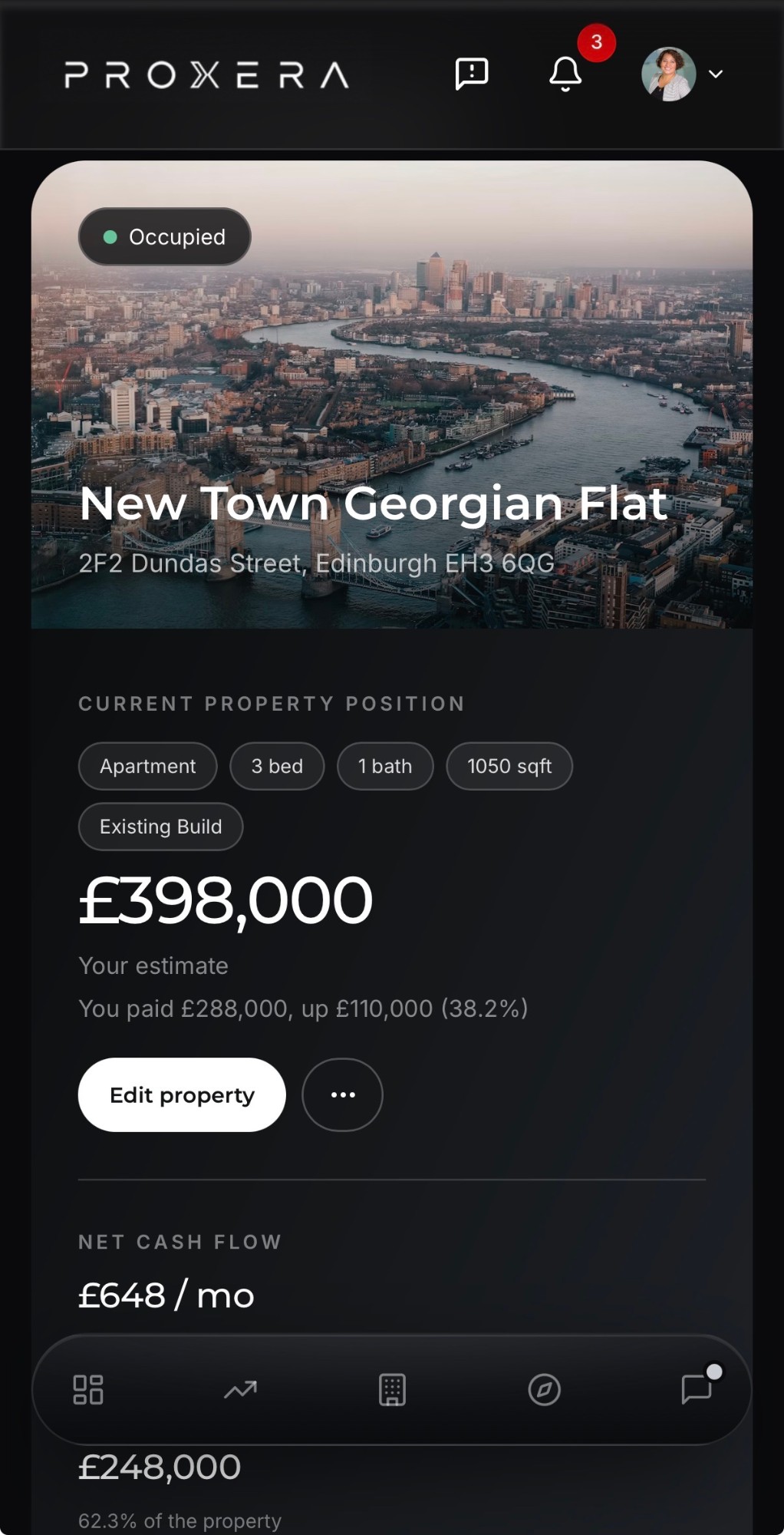
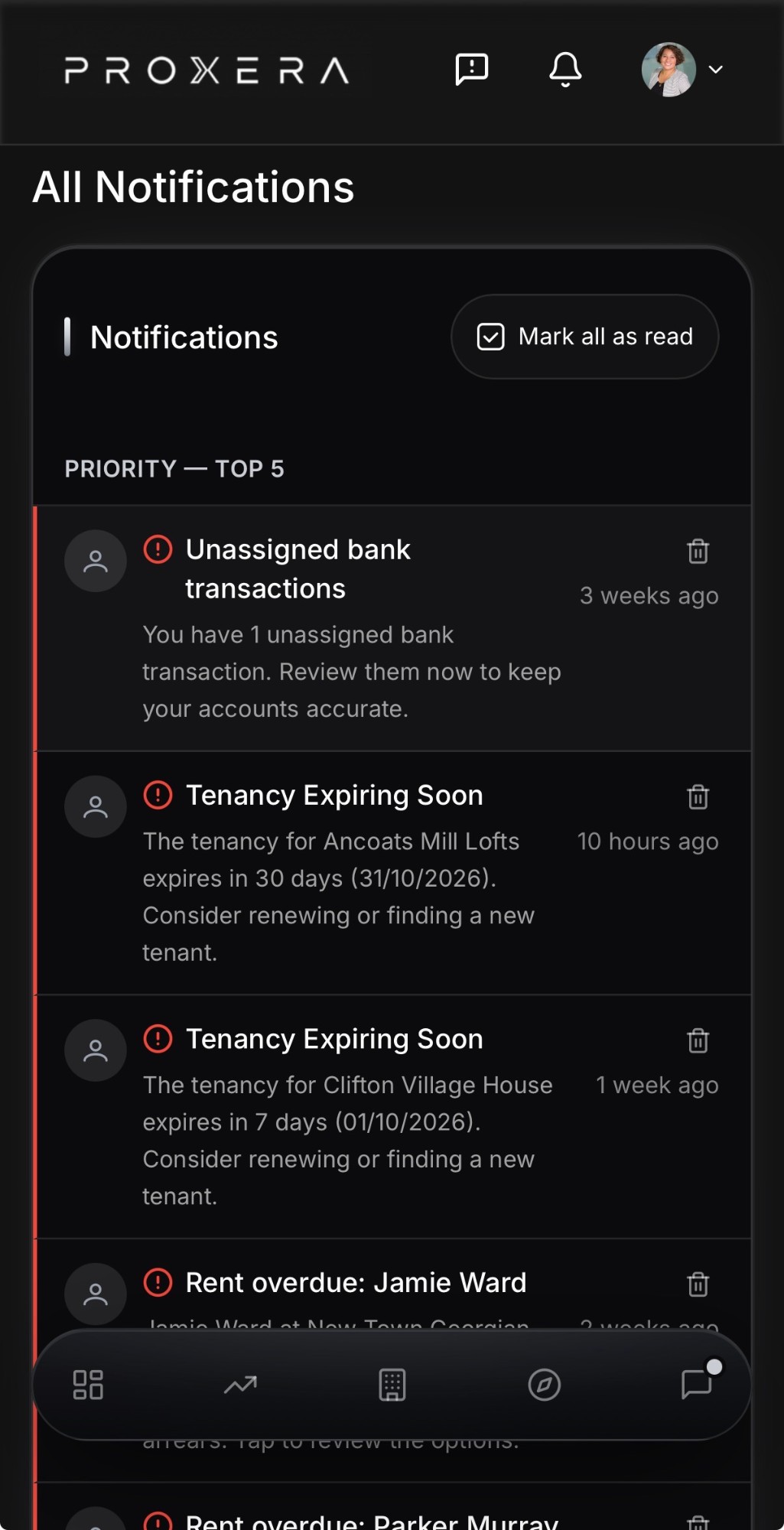
The portfolio shown is an illustrative example. Create a free account to see your own.
Rent is rising fastest
in the North.
Higher rent growth on lower average prices is the combination that does the most for take-home returns, as long as the cost base stays in check.
Annual private rent inflation, 12 months to August 2026. Source: ONS. A high gross yield that funds a high cost base is not the same as a high net one.
All eyes on the Budget.
The Chancellor’s first Budget lands on 28 October, and with rates holding rather than falling, nothing is going to cushion it on its own. September was the month to get your position clear.
28 October
The Chancellor’s first Budget, with an independent OBR forecast published the same day.
3.75%
The Bank of England has held six times. Borrowing costs will not ease on their own before the Budget.
Facts, not rumours
We will cover what is actually announced, and what it means for landlords, in next month’s edition.

“Rents are rising, but the number that matters is what reaches the landlord after the mortgage and the costs. That is where September’s real decisions sit. On a geared property, timing a rate well or bringing a rent back to the market moves what you keep far more than the headline market does.”
Know what you
actually keep.
See what each property really earns after the mortgage and the costs, and spot the rate windows and rent gaps before 28 October. Free, in minutes, no card needed.
Create your free accountGet next month’s edition first
Sources: ONS, Private rent and house prices, UK: September 2026 (rents to August, house prices to July); Bank of England, Monetary Policy Summary, September 2026; HM Treasury (Budget 28 October 2026). The take-home example is illustrative, on the stated assumptions; your figures will differ. General information, not investment, mortgage or tax advice.
