It is the question on more landlords' minds than at any point in the last decade. Higher mortgage costs, the Renters' Rights Act, the loss of full mortgage interest relief and a heavier compliance load have made buy-to-let harder work than it used to be. But selling is a one-way decision with a tax bill attached, so it deserves a clear head rather than a gut reaction.
This is a framework for thinking it through. It is general information, not personal tax or investment advice, and your own numbers should always be checked with a qualified adviser.
Key takeaways
- Selling triggers capital gains tax at 18% or 24%, reportable within 60 days.
- Rental demand stays strong across most regions, which supports holding.
- Judge each property on net yield, effort and what its equity could earn elsewhere.
- Sometimes better systems, not a sale, are what a tiring property needs.
First, separate the emotion from the maths
Most sell-or-hold decisions are made on feeling: fatigue with tenants, worry about legislation, or a headline about falling prices. Those feelings are valid, but they are not numbers. Before you decide anything, you need to see the actual position of the property in front of you: the true net yield after every cost, the equity tied up in it, and what that equity could do elsewhere.
If you are weighing up one property against the rest of your portfolio, our guide on whether to sell your lowest-yielding property walks through how to rank them.
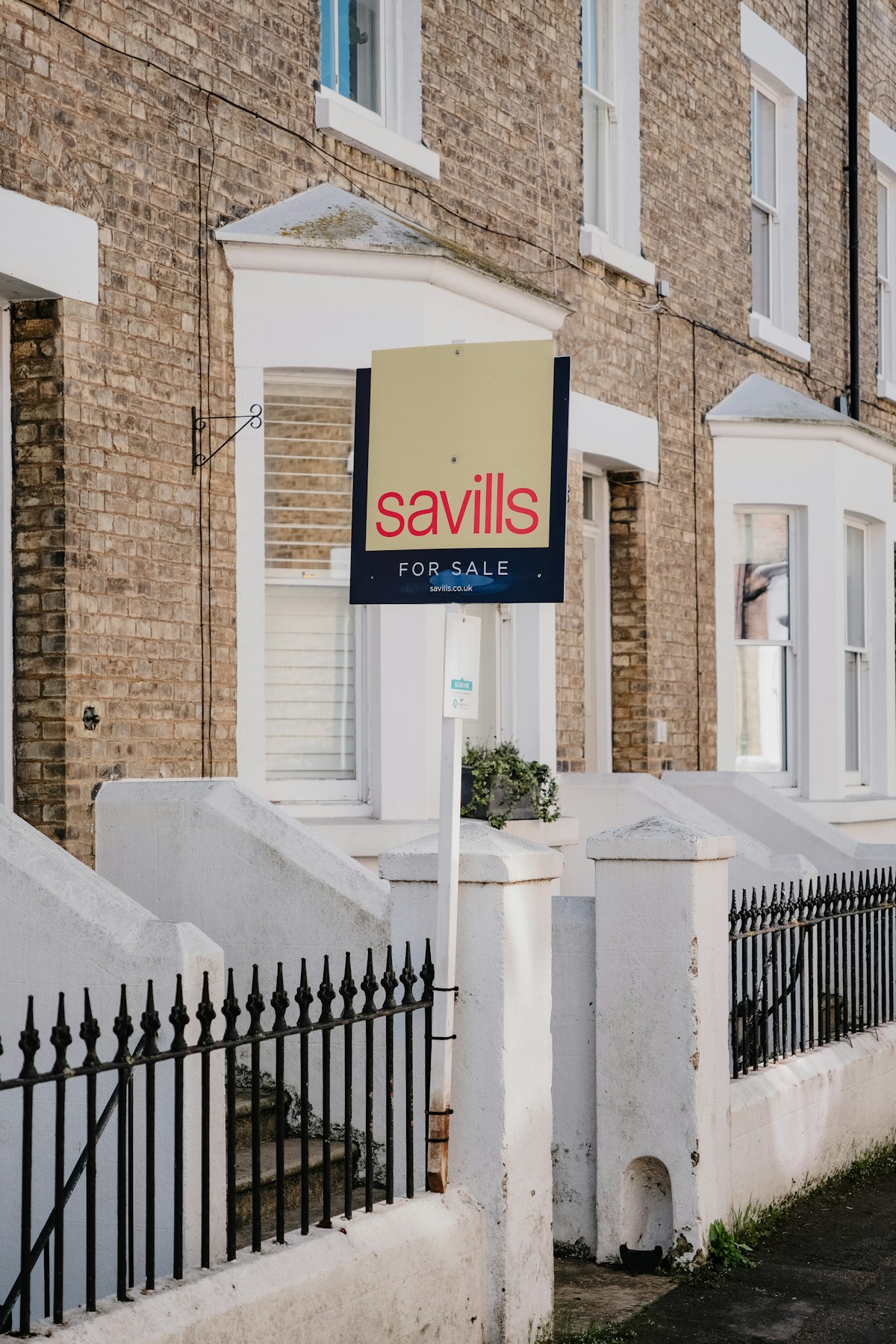
The case for selling in 2026
- Compliance is heavier. The Renters' Rights Act has ended Section 21, made all tenancies periodic and extended the Decent Homes Standard to the private rented sector. If you relied on informal management, the workload has genuinely increased.
- Financing costs more. Landlords who bought or remortgaged in the low-rate era have seen monthly costs rise sharply, squeezing net yield.
- Tax relief has narrowed. Since 2020/21, mortgage interest is relieved only as a 20% basic-rate tax credit, not a deduction. Higher-rate taxpayers feel this most.
- Energy standards are tightening. The government has confirmed rented homes will need to reach EPC C for new tenancies from 2028 and all tenancies by 2030, with landlords expected to spend up to £10,000 per property. A poorly rated property may need real investment. See our guide to the new EPC rules.
A property that scores badly on yield, effort and alternative use is a genuine sell candidate. One that only feels tiring may just need better systems.
The case for holding
- Rental demand remains strong. Tenant demand across most UK regions continues to outstrip supply, supporting rents and low void periods.
- Selling triggers capital gains tax. Residential property gains are taxed at 18% within your basic-rate band and 24% above it, with only a £3,000 annual exempt amount for 2025/26. On a property held for years, the bill can be substantial, and you must report and pay within 60 days of completion.
- You lose a leveraged, inflation-linked asset. Rents tend to rise over time, and a mortgage is repaid in money that inflates away. Selling converts that into cash that must then be reinvested.
- Costs to sell and re-buy are high. If you might want back into property later, remember the 5% stamp duty surcharge on additional dwellings applies again on any future purchase.
A simple decision test
Run each property through four questions:
- Net yield: after mortgage, management, insurance, maintenance and tax, what does this property actually return on the equity tied up in it?
- Alternative use of equity: if you released that equity, could it earn more elsewhere at a risk you are comfortable with? Our comparison of buy-to-let versus other investments is a useful companion here.
- Effort versus reward: is the return worth the management and compliance time this specific property demands?
- Capital gains position: what is the tax cost of selling, and does timing (for example, spreading disposals across tax years) change it?
A property that scores badly on yield, effort and alternative use is a genuine sell candidate. One that only feels tiring may just need better systems.
Create a free PROXERA account to organise every property in one place, track registration, safety and rent-review deadlines, and stay ahead of Renters' Rights and Making Tax Digital changes. We make it easier to be a landlord.
Create your free account →Frequently Asked Questions
Will I pay capital gains tax if I sell my buy-to-let in 2026?
In most cases yes. Gains on residential property are taxed at 18% within your basic-rate band and 24% above it for 2025/26, after a £3,000 annual exempt amount. You must report and pay within 60 days of completion. Your figures should be confirmed with an accountant.
Is now a bad time to sell a rental property?
There is no single right answer. Rental demand and rents remain strong in most regions, which supports holding, but higher finance costs, narrower tax relief and tightening energy rules make some properties harder to justify. The decision is property-by-property, based on net yield and what your equity could do elsewhere.
Should I sell before the EPC C rules come in?
Not automatically. The EPC C standard applies to new tenancies from 2028 and all tenancies by 2030, with a cost cap of up to £10,000 per property. If your property is already close to a C, upgrading may be cheaper than selling and paying capital gains tax. If it needs major work and already yields poorly, selling is worth modelling.
Get your PROXERA property review
See every property side by side: what’s working, what’s costing you, and what to look at next. Free, takes minutes, no card needed.
Get my property reviewGet the next one first
Sign up for weekly updates, news and blogs from global investors on how to improve your portfolio.
